Showing posts with label Genetic Modification. Show all posts

Wednesday, 30 January 2013

Wheat, a global staple. Or is it?


Wheat is on my mind. I remember a delicious whole wheat bread loaf that my grandmother kneaded by hand as one of the healthiest foods out there; especially with the zucchini, carrots and other garden treats baked in. Whole grain cereal, wheat bran, whole grain pasta, these are all products sold as health-conscious eating choices, but recent research tells me they may not be. Is wheat good for us, or is it an unhealthy snack in disguise?

Wikipedia tells me that in 2010 wheat was the third most produced cereal, next to rice and maize. My last trip to the grocery story validates this fact. A closer look at food labels tells me that in North America wheat is in almost everything. It appears that we, at least in North America, depend on wheat to function. If this is true, why hasn't the news that wheat could be unhealthy hit the grocery stores or our dinner tables? I took some time to research what is wrong with wheat. Here is what I found: 

Wheat is heavily modified

What we know as wheat is in fact a hybrid or a mix of many different plants. Wheat plants have been selectively bred (crossed) to remove certain undesirable traits and to increase desirable ones. For example, wheat has been bred to make it short. I've seen this done to coffee, it makes it easier to pick. So far not so bad. But, wheat has also been hybridized (cross-bred) with non-wheat plants to introduce different and new genes into a wheat plants' DNA. Now, I'm getting a little concerned. What plants' (or animals') genes am I eating in my morning toast? Another - and more sneaky - form of modification is the process of chemical mutation. Scientists have exposed wheat seeds to radiation and chemicals, such as the toxic-to-humans sodium azide, to change the make up of this plant. The use of sodium azide on wheat was done to produce a herbicide resistant form of wheat called Clearfield wheat. The wheat we eat now is nothing like what my great grandfather was farming in the late 19th century. 
 
Spanish officers inspecting bread in France, taken circa 1918 (National Library of Scotland)

What do these modifications mean for our health? 

I can’t find a list of impacts and maybe there is a reason for this. But, after some digging, I found Dr. Davis’ hypothesis, that the 1985 introduction of modern semi-dwarf, high-yield wheat was followed by a surge in weight gain and a diabetes epidemic for United States of Americans. Dr. Davis attributes weight gain other health problems to modified proteins in wheat. For example, research over the past 30 years suggests that one of these proteins, gliadin*, is thought to be modified in our intestine to create bi-products that may increase the human appetite. *Gliadin is a protein found in gluten.

Another factor is gluten. Gluten is made up of various proteins and is found in wheat (along with rye and barley). You may have heard of gluten in relation to celiac disease, an auto immune reaction to partially digested gluten (gliadin to be specific). If you have celiac, you avoid wheat gluten. But, should even the non-celiac person consider avoiding the gluten found in wheat? 

Over the last 100 years for example, the amount of gluten found in wheat has increased 10-fold; now 90 % of protein in wheat is gluten. Even if you don't have celiac, 90% of this hard-to-digest (and potentially harmful) protein is a lot for a digestive system to handle.

A 2009 study in the Journal of American Medical Association, found that if you are a non-celiac person, but have problems digesting gluten, you may be at high risk for many inflammatory conditions such as heart disease. This was enough for me to test my gluten tolerance (using a food elimination and reintroduction program). After detecting I do have a mild gluten-intolerance, and after reading the potentially-harmful wheat breeding practices, I think I am ready to eliminate wheat in my diet for good. 

I think a few readers may say that eliminating wheat is an extreme measure. Everything in moderation is a good life-philosophy, right? I agree. But what happens when you try to eat in moderation while some people are secretly changing your food? Can you really assess moderation if you don’t know what you are eating? 

Don’t hold me to the accuracy of this next example (I can’t find the citation), but it was helpful for me to understand what it means to be eating gluten-enhanced wheat. I read that because gluten in wheat has been substantially increased, eating two pieces of bread now would be like eating 17 pieces of bread say in the late 19th century. Now that is something I need to digest.

Wednesday, 14 December 2011

Genetically Modified Foods: Unanswered Questions


Genetic modification (GM) is a process commonly discussed but rarely defined. Without a clear definition of GM, how can we critically assess the benefits and costs of GM for human health and the health of the planet? At the very least, GM technology has increased our vocabulary. Nowadays, Transgenic, Genetic Engineering, Recombinant DNA, and Biotechnology are widely used in agricultural and political discourse. But, has this new lexicon led to a better understanding of how, why, and for whose benefit are we modifying our foods?


Starting with its most general definition, GM means altering an organism’s genetic make-up. GM is often synonymous with genetic engineering - a process whereby genes from one life form are transferred into the genes of another life form (a.k.a Recombinant DNA technology). If we understand GM as genetic engineering, the first commercially grown GM crop was tobacco. GM tobacco contained genes from other plants that were resistant to the common tobacco virus. GM crops were also created to prevent rotting. The “Flavr Savr” GM tomato was created in the 90’s to slow the ripening process to prevent it from pre-mature softening.


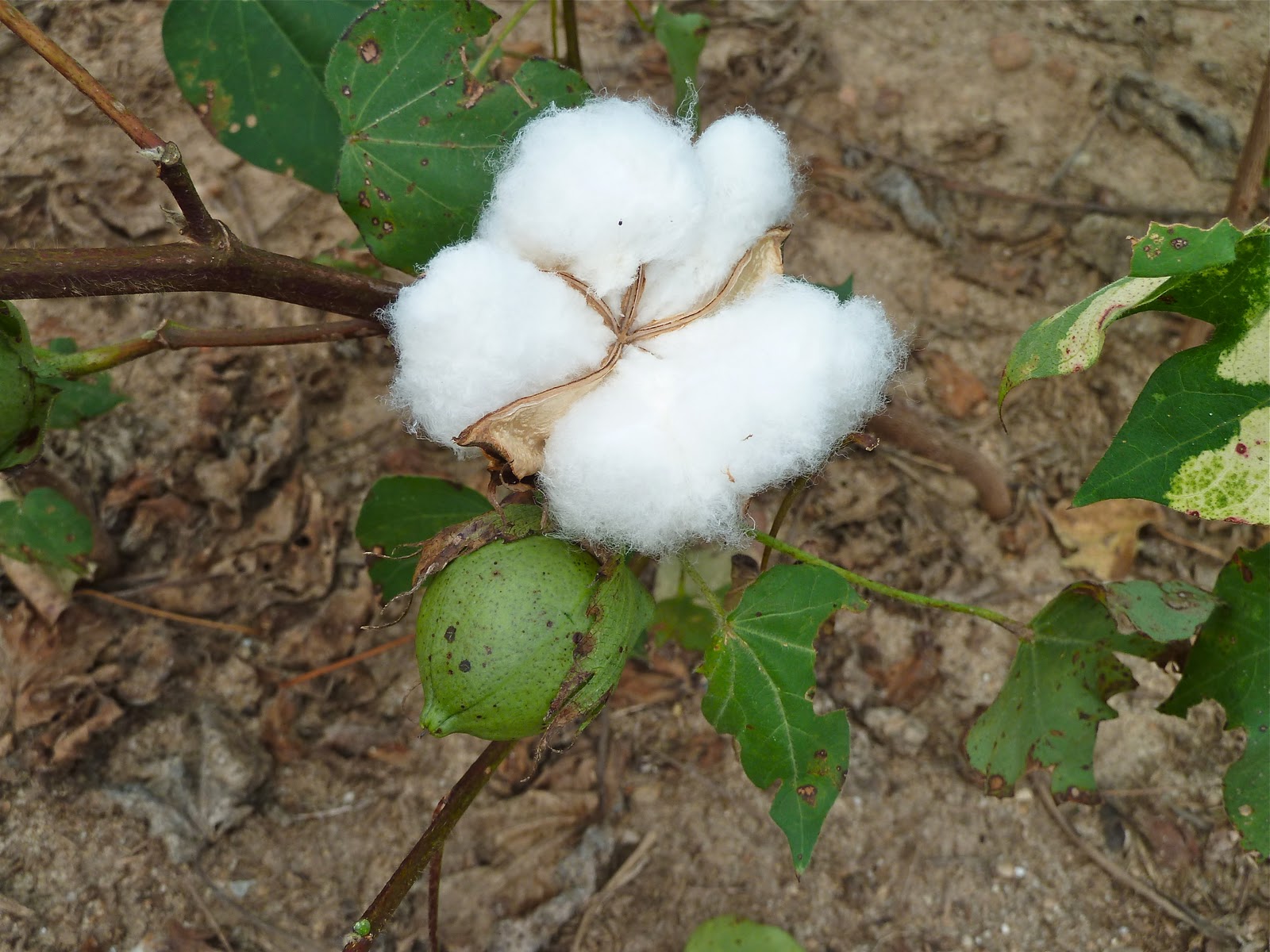
GM technology was revolutionized in the late 90’s. The creation of herbicide and insect resistant plants was made possible by inserting genes from other organisms into food crops. You may have heard of examples of these GM plants such as Bt Cotton and HT Alfalfa. Bt refers to the bacterium, Bacillus thuringiensis and a Bt crop contains a gene taken from this bacterium that confers insect resistance. HT means “herbicide tolerant” and an HT crop means it contains a gene that gives it immunity to a chemical weed killer. HT crops can survive spraying with weed killing chemicals, and thus HT crops are ideally used to maximize agricultural output. 

What distinguishes GM through engineering from human’s long history of domesticating plants?


Some have argued that GM through engineering is a continuum of the natural processes of plant modification in human history. This makes sense if we remember that indigenous peoples’ sustained efforts to cultivate multiple varieties of forest plants have resulted in the domestication of numerous foods we continue to eat. But, can we now equate the processes of domestication, trade, and exchange of wild plant varieties with the engineering of life forms by moving certain desirable genes into plants? 

Plant modification is part of human existence on earth. But, it is hard to assess the social and ecological impacts of gene-modification without an understanding of the bigger picture. Why are we manipulating plants? Who is doing the manipulation? What sectors of society benefit from the GM technology? Who are these new technologies excluding? Presently, we know that most GM crops being used have been modified to maximize agricultural profits. Very few initiatives to increase nutritional content of plants through genetic modification have reached marginalized peoples. To my knowledge, Golden Rice – a plant engineered to aid vitamin A production (critical for vision) and to be used where people are vitamin A deficient - was proposed in 2000 but has not yet reached the market.

Also, we know very little about how the successes of GM initiatives have been measured? For example, when the use GM crops are reported to have increased farmer’s yields, what are we comparing these numbers to? Are we improving crop yields compared to industrial monoculture or compared to long-standing traditions of organic and agro-ecological farming methods? Before we uncritically accept the widespread use of GM crops, these questions need to be addressed.

Different approaches to GM crops by country:


Sources:

Stone, G. D. (2010). The Anthropology of Genetically Modified Crops Annu. Rev. Anthropol. , 39 (1), 381-400 : 10.1146/annurev.anthro.012809.105058

Sunday, 2 October 2011

GM Alfalfa: Changing the Future of Dairy and Organic Farming?

With “World Food Day” approaching - October 16th - I thought it was timely to bring up some of the more ‘global’ issues reaching our ‘local’ food systems.

Let’s explore what COWS, BEES, and MONSANTO have in common.

The answer is ALFALFA!

Alfalfa Plants (photo courtesy of www.myessentia.com)
Some may be thinking, so what? I don’t eat much alfalfa myself. But, if you eat chicken eggs, cheese, ice cream, or cows, you do eat alfalfa. Alfalfa is used as cow and chicken feed. In fact, it is the backbone of the dairy industry. Alfalfa also creates its own natural fertilizer. It captures nitrogen from the atmosphere and makes it available in the soil. This makes alfalfa a key resource for organic farmers who do not use chemical fertilizers.

Alfalfa Hay
The dairy industry, and organic farming in general, is about to change drastically with the proliferation of genetically modified alfalfa, aka GM alfalfa. GM alfalfa seed is the project of a multinational company, Monsanto. GM alfalfa was once banned in the USA, but courts have recently overturned this ban. GM alfalfa is not yet legal in Canada, but a quick Google search, or conversation with a Canadian farmer, will reveal that the pressure is on. 

We know the links between dairy, Monsanto and alfalfa, now where do bees fit in this equation?

Bees pollinate alfalfa. Once a GM bee-pollinated crop is let loose there is no turning back (recent history tells this story for GM canola). Bees go everywhere; therefore, so does the pollen they collect and exchange among distant plants. An exchange of pollen from a GM plant to a non-GM plant can result in the exchange of genetic material. Successful exchange of genes means that the seeds of a new plant generation in the non-GM fields may be genetically modified (aka “genetic contamination”). Because bee pollinated crops are at high risks of genetic contamination, even farmers who want to avoid these GM plants often can’t. For certified organic farmers, the introduction of GM alfalfa is particularly alarming.  As you may know, organic certification prohibits the use of genetically modified seeds. Therefore, farmers that rely on non-GM alfalfa can run the risk of losing their certification if they are found with GM plants in their farms.  


Organic Alfalfa Put To Use!


What is GM Alfalfa?

Like other Monsanto-modified seeds, such as soy or canola, GM alfalfa is genetically altered to be resistant to a broad-spectrum herbicide. This herbicide called “Roundup” – also produced by Monsanto - is marketed because of its chemical capacity to kill weeds. “Roundup Ready” crops can be sprayed with the herbicide Roundup to support industrial-scale crop production (on the short-term). Although GM crops are resistant to herbicides, components of such herbicides (e.g., glycophosphates) can affect other life forms, such as aquatic organisms, as well as soil system complexes. 

Canadian farmers I’ve spoken to see no reason for GM alfalfa. They also view Monsanto as the only beneficiary. First, this company will benefit because the use of their seeds goes hand in hand with the use of their Roundup chemicals. Second, Monsanto holds the patent, thus the legal rights to control the GM seeds (and the herbicide-resistant genes for that matter). Therefore, once crops become contaminated with GM genes, farmers are no longer owners of their crops. This prevents farmers from saving-seeds after harvests, and implies the need to purchase new seeds from companies each year. The implications of this cannot be overstated. For millennia farmers have saved and traded seed maintaining natural sources of diversity. In the words of Bartlett and Steele, “Monsanto has turned this ancient practice on its head.”

One farmer I spoke to sees a benefit in GM crops.  This Manitoban said that his “Certified Local Sustainable” bee farm is stuck in a sea of crop monocultures frequently sprayed with pesticides. In his opinion, GM crops have resulted in less frequent spraying of herbicides because GM crops have a high level of pest resistance. He said that less spraying has resulted in his bees picking up fewer chemicals. We ended our discussion on the note that more attention to GM crops is needed, especially because the human experience with GM crops is extremely limited.

This begs the question, why are we modifying crops in the first place? Or similarly, why are we growing so much of the same thing?

Being that there is strong political and economic support for seed modification, I am curious what support exists for those that explore alternatives to GM seeds. If you weren’t sure how to contribute on “World Food Day”, here is an issue we can talk about. If anyone has any GM crop-related comments, please feel free to post them here, or to e-mail me.

Also, in light of World Food Day, I hope to post a few short posts related to unique projects seeking alternatives to industrial food production. Any ideas? Send them my way!

Sources


Relyea, R. (2005). THE LETHAL IMPACT OF ROUNDUP ON AQUATIC AND TERRESTRIAL AMPHIBIANS Ecological Applications, 15 (4), 1118-1124 DOI: 10.1890/04-1291


Doublet, J., Mamy, L., & Barriuso, E. (2009). Delayed degradation in soil of foliar herbicides glyphosate and sulcotrione previously absorbed by plants: Consequences on herbicide fate and risk assessment Chemosphere, 77 (4), 582-589 DOI: 10.1016/j.chemosphere.2009.06.044